

Naomi & Owen
ADHD + NeurotypicalThe week we put a giant wall calendar in the kitchen was the week we stopped having the same fight. He stopped feeling forgotten. I stopped feeling nagged. Same brain, better scaffolding.
Time blindness, rejection sensitive dysphoria, and hyperfocus don't ruin love - they reshape it. Here's how ADHD couples actually build lasting connection, with scripts you can borrow tonight.
By Dr. Priya Ramanathan, ADHD-informed therapist · Updated May 2026 · 1,180 words

ADHD relationships are not flawed neurotypical relationships. They're a different operating system - fast, intense, sometimes forgetful, often deeply tender. The 2023 ADDitude survey of 2,400 adults found that 71% of ADHD adults describe their relationships as "passionate and deeply felt," while 64% also report recurring conflict over the same handful of patterns. Both numbers are the same story: ADHD turns the volume up on everything.
"My partner forgot our anniversary and remembered every single thing I said about my mother in 2019. ADHD isn't a memory problem. It's an attention-allocation problem - and once you understand that, the love makes sense." - reader letter, January 2026
Time blindness is the inability to feel time passing the way neurotypical brains do. Ten minutes and an hour register the same. The partner who said "I'll be five minutes" two hours ago isn't lying - they were inside a task. Naming this removes the moral weight from chronic lateness.
Rejection sensitive dysphoria (RSD) is a sudden, body-level pain in response to perceived criticism. A casual "did you remember to take out the trash?" can land as "you're failing me again." This isn't fragility. It's the way an ADHD nervous system reads social signals at high gain.
Hyperfocus is ADHD's gift and its curse. When it lands on you - undivided attention, deep conversation, an evening that bends time - it's the most romantic feeling a partner will ever receive. When it lands on a project, a video game, or a new hobby for three weeks, the other partner can feel invisible. The skill is naming the channel, not punishing the wiring.
The same five themes show up in almost every long-term ADHD relationship. Naming them shrinks them.
Neither list is the villain. Both are accurate - and both are workable once they're spoken.
These aren't generic couples-therapy slogans. They're the practices that ADHD-specialist therapists like Melissa Orlov and Dr. Russell Barkley have field-tested with thousands of couples.
Open with appreciation before the issue. "I love how you handled dinner. Can we talk about the bills?" lands in a different nervous system than "We need to talk."
Put it on the fridge, the wall, the shared calendar. ADHD memory is unreliable; ADHD eyes are excellent. Visible is half the battle.
Same time, same drink, no phones. Three questions: what worked, what dropped, what's coming up. Boring on purpose.
"I'm in hyperfocus on the deck project until Sunday - let's plan a Monday dinner that's just us." Predictable reconnection beats unpredictable absence.
If a small comment triggered a big reaction, return within an hour: "That came out hot. Can we redo?" Short loops prevent days of cold air.
Bill autopay, grocery delivery, a cleaner once a month if budget allows. The strongest ADHD marriages spend money to buy executive function, not willpower.
Members who agreed to share what the work actually looks like up close.
The week we put a giant wall calendar in the kitchen was the week we stopped having the same fight. He stopped feeling forgotten. I stopped feeling nagged. Same brain, better scaffolding.
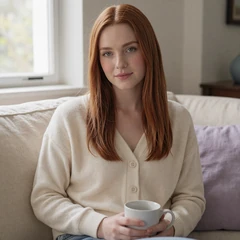
He matched me from 900 miles away and never once made my flare-ups feel like burdens. A year in, we are planning to move in together. ADHD makes him plan with me, not for me.
If you're the neurotypical half of the equation, you didn't sign up to be a project manager - and you shouldn't become one. The goal isn't to compensate for ADHD. It's to build a shared infrastructure that lets both of you stop fighting the same wiring.
For a wider view of neurodivergent communication patterns, see our neurodivergent dating guide - it pairs naturally with this one, especially for AuDHD readers.
Three companion reads that pair well with this guide.
The category page for ADHD adults - filters, communication preferences, and a community that runs on the same wiring.
Explore ADHD datingAuDHD, autistic, and ADHD readers all share core dating patterns. This wider guide covers texting rhythms, masking, and sensory needs.
Read the wider guideMany ADHD adults are also Autistic. Our autism category covers detailed profiles, text-first communication, and sensory-friendly date ideas.
Visit autism datingYes. Research by Dr. Russell Barkley and clinician Melissa Orlov shows ADHD marriages thrive when both partners stop treating ADHD as a willpower problem and start building shared systems - visible calendars, weekly check-ins, soft starts to hard talks. Couples who do this report relationship satisfaction equal to or higher than neurotypical baselines.
ADHD is an attention-allocation difference, not a memory deficit. Emotionally vivid moments - a stray comment, a feeling, a story - get encoded deeply. Logistical events without dopamine attached, like anniversaries or appointments, slide off. Externalizing dates to a shared calendar fixes 90% of this pattern.
Rejection sensitive dysphoria (RSD) is a sudden, intense, body-level pain triggered by perceived criticism or rejection. It is recognized in ADHD literature as one of the most disruptive features of adult ADHD relationships. Soft openers, fast repair after conflict, and learning each other’s shutdown signals reduce its impact significantly.
Build systems together rather than reminders for them. A shared calendar, autopay for bills, and a weekly 20-minute check-in shift the work from your shoulders to a structure. Refuse the project-manager role gently and consistently - the goal is partnership, not caretaking.
A neurodivergent-friendly dating platform like DisabledDating is purpose-built for AuDHD, autistic, and ADHD adults. Features include detailed profiles, text-first communication without time pressure, sensory-friendly date filters, and a community that does not require masking.
Choose a platform where neurodivergent profiles are the norm, not the exception. Write a profile that names your interests in specific detail - neurodivergent readers love specificity. Suggest first dates in quiet venues. Ask direct questions and answer directly. Most importantly, skip the mask: the match you want is looking for the real version.
Both. Hyperfocus on your partner feels like the deepest love they have ever received. Hyperfocus on a hobby for three weeks can leave them feeling invisible. The skill is naming the channel out loud - "I am on the deck project until Sunday, Monday dinner is ours" - so reconnection is predictable rather than uncertain.