

Editor's pick
How to Disclose a Disability When Dating
A three-stage disclosure model with scripts for visible and invisible conditions - and the 34% satisfaction lift early disclosure brings.
Read the guidePractical guides, disclosure scripts, accessible date ideas, and real stories from adults dating with a disability. Every article is reviewed by community members before publishing - so what you read sounds like a friend, not a textbook.
Updated May 2026 · 9 in-depth guides · Identity-first or person-first language honored
A three-stage disclosure model with scripts for visible and invisible conditions - and the 34% satisfaction lift early disclosure brings.
Read the guideFilter the library by the question you actually came with. Click a topic to highlight matching guides below.
Most dating advice ignores the questions that actually shape a disabled person's love life. When do you mention the wheelchair? How do you check whether a wine bar has a ramp without sending the host into a panic? What does an autistic first date look like when scripts feel exhausting? How do partners on opposite sides of an interabled relationship keep the dynamic equal instead of slipping into caregiver mode?
This blog is our long-form answer. Every article is drafted by writers who live with the condition discussed, then reviewed by at least one community member outside the byline. We cite our sources - Baylor College of Medicine on loneliness data, RMIT University on dating-app harm rates, the WCAG 2.2 standard for accessibility - because the audience reading disabled and dating guides deserves citations, not vibes.
Nine in-depth articles, each 1,000+ words, written for adults who want practical answers - not pity, not inspiration porn.

Three-stage model - profile, early chat, deep disclosure - with scripts for visible and invisible conditions and a 34% satisfaction stat.
Read the guide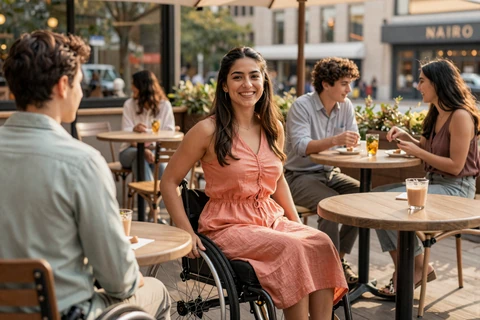
How to vet a venue with AccessNow, fifteen tested ideas across NYC, London, Toronto, and Melbourne - plus Sarah and Liam's first-date story.
Read the guide
88% of disabled users face online harassment. Spot fake profiles, screen out devotees, and learn how platform moderation actually works.
Read the guide
AuDHD, neurodiverse couples, unmasking on first dates, and why text-first communication beats time-pressured chat for many of us.
Read the guide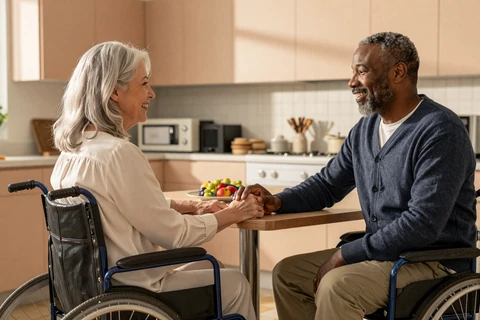
Dr. Sarah Hunt on equal partnership, Kaci & Collin and Leslie & Howard, and the identity-first vs person-first conversation between partners.
Read the guide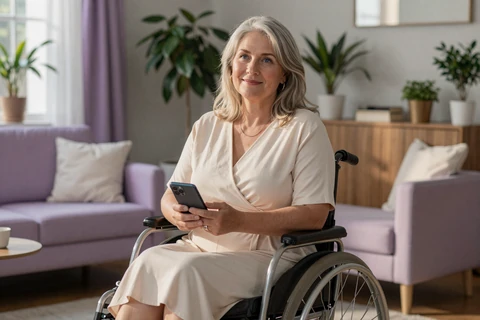
Rebuilding identity, confidence, and the first profile after a life-changing event - with Leslie's full story from a cycling crash at 55.
Read the guide
Time blindness, rejection sensitive dysphoria, hyperfocus as a love language - and communication tools that keep ADHD marriages steady.
Read the guide
Disclosure scripts, managing mood cycles together without slipping into caregiver mode, and when to bring a professional into the conversation.
Read the guide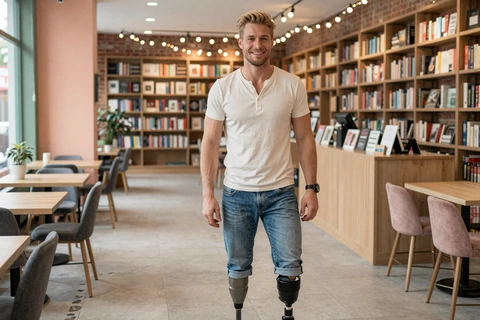
Inside our safety guide - choosing accessible public venues, telling a trusted friend, and what to do if things turn uncomfortable.
Read the safety guideNo articles match that topic yet - try another filter.
Every guide on this blog follows three rules. First, the writer either lives with the condition discussed or co-writes with someone who does - no outsider explainers. Second, language defaults to the preference of each community: identity-first for Autistic adults and the Deaf community, person-first for cerebral palsy, epilepsy, and bipolar disorder, with respectful flexibility everywhere else. Third, statistics carry citations. If we can't cite it, we don't claim it.
"Disabled readers don't need motivational posters. They need scripts, venue checklists, disclosure timing, and the names of the people who've already figured this out. That's the blog we wanted to read - so we built it." - Maya Okonkwo, Editor, DisabledDating Journal
You'll notice we avoid two patterns common elsewhere. We don't lean on phrases like suffers from, wheelchair-bound, or inspirational - they reduce people to conditions or pedestals. And we don't sanitize hard topics: harassment rates, fetishization, ghosting after a disability photo, the loneliness gap. Pretending those don't exist would make the writing useless.
Looking for the platform behind the blog? Visit the DisabledDating home page or read why members choose us over Tinder, Bumble, and Hinge. New to online dating with a disability? Start with our four-step how-it-works walkthrough.
Many of our guides reference these community categories directly. Jump from the article you're reading to the people you'd actually meet.
Paired with our accessible date ideas guide and Sarah's NYC story.
Browse wheelchair singlesLinked from the neurodivergent dating guide and unmasking conversations.
Explore autistic dating